


How to Make Your Home Look Expensive on a Budget
A beautiful home does not have to come with a luxury-sized price tag. In fact, some of the most impressive interiors are created not by spending more, but by making smarter choices about colour, lighting, furniture placement, textures, and accessories.
If you have ever looked at a beautifully styled home and wondered, “How does this look so expensive?”, the answer is often in the details. A carefully chosen mirror, properly hung curtains, warm lighting, a well-styled coffee table, or even upgraded cabinet handles can completely change how a room feels.
The good news is that you can create a high-end look on a budget without replacing all your furniture or starting an expensive renovation. With a little planning and intentional home styling, ordinary spaces can feel polished, sophisticated, and thoughtfully designed.
This guide explores practical budget-friendly home decor ideas that can give your home a luxurious appearance without unnecessary spending. Whether you live in a compact apartment, a rented home, or a larger house, these techniques can help you achieve luxe home styling while staying within your budget.
1. Start With the Foundation: Colour, Space, and Architectural Details
Before buying decorative accessories, look at the foundation of your room. Expensive-looking interiors usually have something in common: they feel calm, cohesive, and visually balanced.
Choose a Sophisticated Neutral Color Palette
A neutral color palette is one of the easiest ways to create an elegant atmosphere. Shades such as warm white, cream, beige, taupe, soft grey, and earthy brown can make a room feel timeless.
That does not mean your home needs to be completely plain. Think of neutrals as your base rather than your entire design.
For example, imagine a living room with warm beige walls, a cream sofa, a wooden coffee table, and a few black or brass accents. Add a textured rug and some greenery, and suddenly the room has depth without looking overloaded.
You can introduce colour through cushions, artwork, flowers, books, or smaller decorative pieces. This makes it easier to update the room later without spending a lot.
Declutter Before You Decorate
One of the most overlooked high-impact low-cost upgrades is simply removing things you do not need.
Luxury interiors tend to have breathing room. This is where decluttering and organization become important.
Look around your living room. Are there cables everywhere? Are the shelves packed with random objects? Are surfaces being used as storage?
Start by removing unnecessary items and finding proper homes for everyday belongings.
Pay attention to negative space too. Negative space is simply the empty area around furniture and decor. It gives the eye somewhere to rest.
You do not need to fill every corner.
A single beautiful vase on a console table can sometimes look more sophisticated than ten unrelated decorative items.
Pay Attention to Architectural Details
Small architectural changes can make an ordinary room feel custom-designed.
If your budget allows for DIY projects, consider adding architectural details such as wall moulding, trim, or simple paneling.
A board-and-batten wall treatment can create an elegant feature wall without requiring a complete renovation. It works particularly well behind a sofa, bed, or dining table.
Similarly, crown molding can give ceilings a more finished appearance. If traditional crown molding is outside your budget, simpler decorative wall trim can create a similar sense of detail.
Another affordable option is texture painting. A textured or limewash-inspired finish can add dimension to an otherwise plain wall.
You can also experiment with accent walls. Instead of painting an entire room, choose one strategic wall and make it the focal point.
The key is restraint. A single well-designed feature usually looks more sophisticated than several competing ones.
Try Contrasting Interior Doors
Here is another small idea that can have a surprisingly big impact: contrasting interior doors.
Instead of keeping every door exactly the same colour as the walls, consider a subtle contrast. A deep charcoal, warm brown, muted green, or even black door can add architectural interest.
This is particularly effective in hallways or rooms with otherwise simple walls.
If you rent, check whether painting is permitted. If not, you can achieve a similar effect through removable décor or other temporary styling solutions.
2. Use Lighting and Textiles to Create a Luxury Atmosphere
If there is one area where homeowners often underestimate the difference between an ordinary room and an expensive-looking room, it is lighting.
A room can contain beautiful furniture and still feel flat if the lighting is harsh or poorly positioned.
Layer Your Lighting
Instead of depending entirely on one ceiling light, introduce layered lighting.
A well-designed lighting scheme usually combines several types of light:
- General or ambient lighting
- Task lighting
- Accent lighting
- Decorative lighting
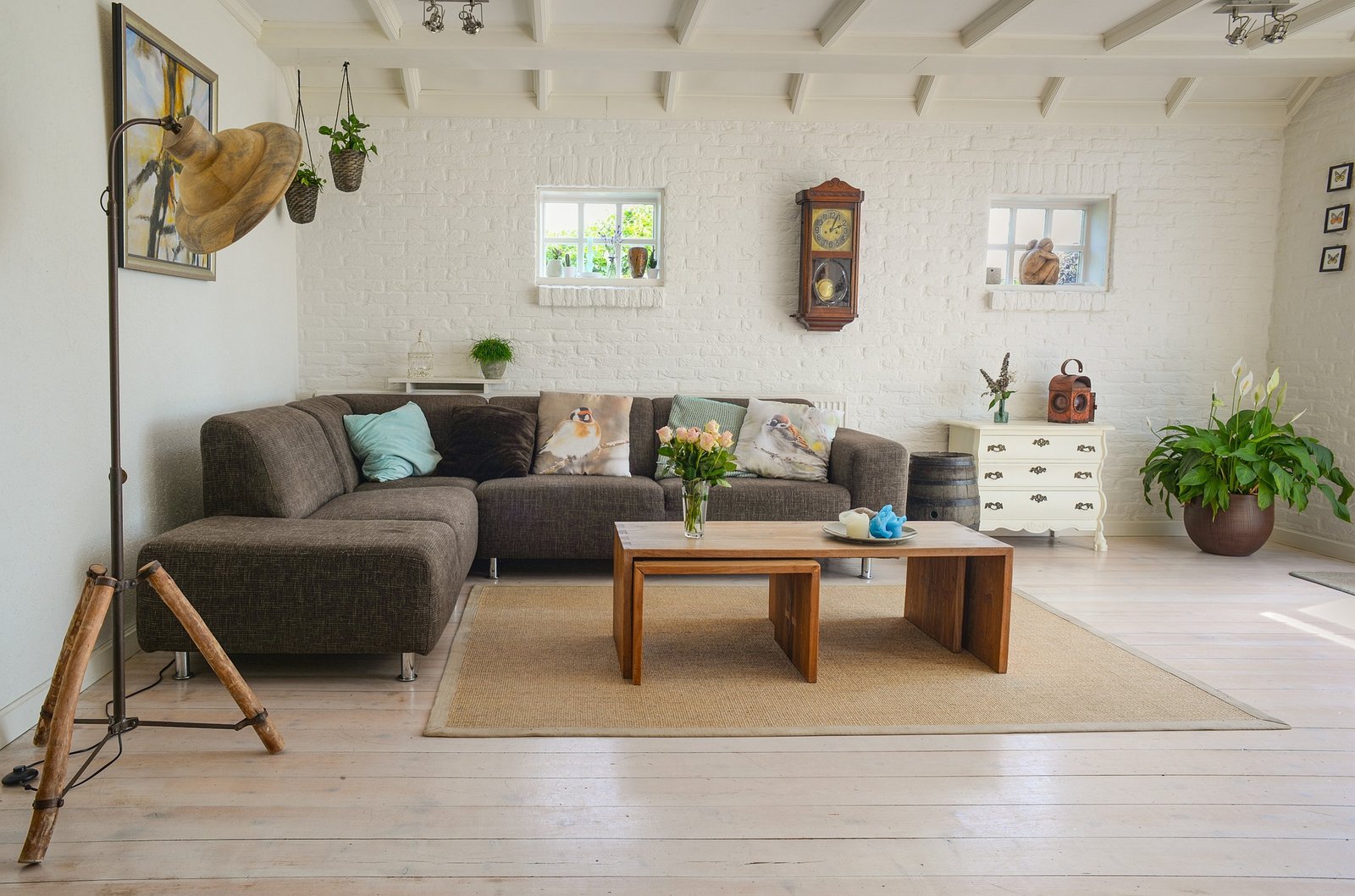
For example, your living room might have a ceiling fixture for general illumination, a floor lamp beside the sofa for reading, and a small table lamp on a console.
This creates different levels of light and makes the room feel more dynamic.
Choose Warm Ambient Lighting
For a cozy and sophisticated atmosphere, warm ambient lighting can make a significant difference.
Very cool white bulbs can sometimes make a home feel stark or overly commercial. Warm-toned lighting tends to make wood, textiles, artwork, and neutral colours feel richer.
You do not necessarily need expensive designer lamps. Even changing your existing bulbs and adding a couple of thoughtfully positioned lamps can transform a space.
If your budget allows, replace dated fixtures with updated light fixtures that suit the overall design.
A simple pendant light or sculptural ceiling fixture can become a decorative feature rather than simply serving a functional purpose.
Make Curtains Work Harder
Window treatments have a huge influence on how large and polished a room looks.
One particularly effective trick is using floor-to-ceiling curtains.
Instead of installing the curtain rod directly above the window, position it closer to the ceiling and allow the curtains to fall almost all the way to the floor.
This draws the eye upward and can make ceilings appear taller.
You do not need extremely expensive curtains. Look for simple fabrics with good weight and a clean finish. Linen-look curtains, cotton blends, and neutral fabrics can work beautifully.
Add Rich Textures
A room with everything in the same flat material can look unfinished.
Introduce rich textures through cushions, rugs, curtains, throws, baskets, upholstery, and decorative accessories.
For example, combine:
- A smooth wooden table
- A soft rug
- Linen cushions
- A woven basket
- A ceramic vase
- A velvet accent cushion
This combination creates visual depth.
Velvet and linen accents are especially useful because they can make a relatively inexpensive room feel more layered and refined.
You do not need velvet furniture everywhere. One velvet cushion or accent chair can be enough.
Add an Area Rug
An area rug can visually connect furniture and make a room feel complete.
One common mistake is choosing a rug that is too small. If the rug looks like a small island floating in the middle of the room, the furniture can appear disconnected.
Where possible, choose a size that allows at least the front legs of major furniture pieces to sit on the rug.
A neutral textured rug can be especially versatile because it works with different furniture and colour schemes.
3. Choose Statement Pieces Instead of Filling Every Surface
You do not need dozens of accessories to make your home look luxurious. In many cases, fewer but better-chosen objects create a stronger impression.
This is where statement decor pieces, curated accessories, and oversized decor can make a difference.
Use Large-Scale Wall Art
Small artwork scattered randomly across a large empty wall can sometimes make the wall look even emptier.
Instead, consider large-scale wall art.
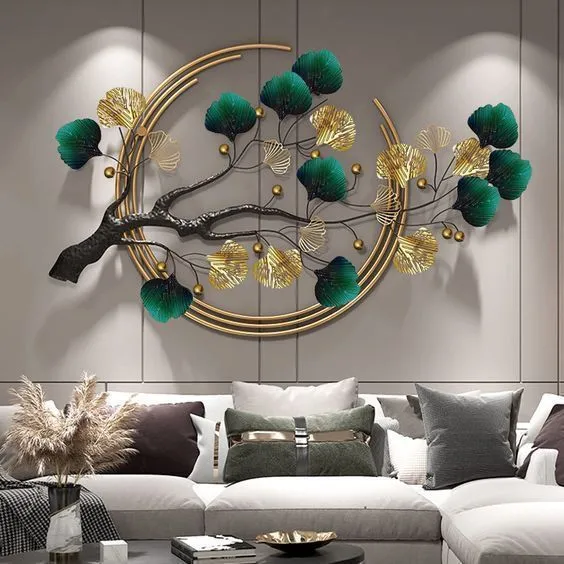
One oversized artwork above a sofa, bed, or console can act as a strong focal point.
The artwork does not have to be expensive. You can look for affordable prints, thrifted artwork, canvas pieces, or even create your own.
The important thing is to consider the colour palette, proportions, and placement.
Create a Focal Point
Every room benefits from a focal point.
This is the area that naturally attracts attention when someone enters the room.
In a living room, it could be a large artwork, a beautiful sofa, a fireplace, or a statement light.
In a bedroom, it could be the headboard or wall behind the bed.
Once you identify the focal point, avoid competing with it. The rest of the room should support it.
Use Decorative Mirrors
Decorative mirrors are another affordable styling tool.
A large mirror can reflect light and make a smaller room feel more open. It can also fill an otherwise awkward wall without making the space feel heavy.
For an entryway, a minimalist entryway mirror paired with a small console and one decorative object can create an elegant first impression.
Try positioning mirrors where they reflect something attractive rather than a cluttered corner.
Bring in Statement Greenery
Plants can make interiors feel more alive and expensive without requiring a large investment.
Use statement greenery in areas that need height or visual interest.
A tall indoor plant beside a sofa or in an empty corner can balance the proportions of a room.
For smaller spaces, use shelves, window ledges, side tables, or hanging planters.
The goal is not to turn your home into a jungle. One or two well-placed indoor plants can have more impact than many small plants scattered everywhere.
Style With Ceramic and Textured Vases
Vases are extremely versatile décor pieces.
A simple ceramic vase can work on a dining table, console, shelf, bedside table, or coffee table.
For added depth, consider textured vases with ribbed, matte, handmade, or sculptural surfaces.
You can display them empty, fill them with dried stems, or use fresh flowers when you have them.
Grouping two or three vases at different heights can create a more intentional arrangement.
Try Sculptural Decor
Sculptural decor adds personality without requiring bright colours.
Look for abstract shapes, curved forms, ceramic sculptures, wooden objects, or artistic bookends.
These pieces work particularly well on shelves and consoles.
Again, the rule is simple: give each object enough space to be appreciated.
4. Master the Art of Styling Tables, Shelves, and Surfaces
Small surfaces are where a home can either look thoughtfully styled or accidentally cluttered.
The solution is not necessarily buying more things. It is learning how to arrange what you already have.
Coffee Table Styling
Good coffee table styling usually involves a combination of height, texture, and function.
A simple formula is:
Tray + books + decorative object + greenery
For example, place a tray on one side of the table, stack two attractive books, add a ceramic vase, and finish with a small plant.
Do not cover the entire tabletop.
Leave enough space for people to actually use the table.
Console Table Styling
For console table styling, start with one strong focal object and build around it.
You might use:
- A large mirror above the console
- A ceramic vase
- A table lamp
- A small decorative bowl
- A stack of books
- A plant
Think about height.
A tall lamp or vase can be balanced with smaller objects on the other side.
This creates visual balance instead of making one side of the console look heavier.
Think About Scale and Proportion
Scale and proportion are two of the most important principles in interior styling.
A tiny vase on a huge console can disappear. On the other hand, an enormous decorative object on a small side table can overwhelm the space.
Before purchasing anything, consider:
- The size of the furniture
- The height of the ceiling
- The size of nearby artwork
- The distance between objects
- The overall room dimensions
This is one reason oversized decor can work so well. A single large object can sometimes fill a space more effectively than several small pieces.
Create Cohesive Interior Design
Your home does not need to look like it came from a showroom.
It should still feel personal.
However, some consistency helps create cohesive interior design.
Choose a small number of repeating elements.
For example, if your home uses warm wood, brass and cream tones, repeat those elements in different rooms.
You might have a wooden coffee table in the living room, brass handles in the kitchen, cream textiles in the bedroom, and wooden or brass accessories in the hallway.
These subtle connections make the entire home feel intentional.
5. Spend Strategically: DIY, Thrifted Finds, and Affordable Luxury
Creating an expensive-looking home is not about buying expensive things. It is about understanding where your money will have the greatest visual impact.
Try DIY Home Upgrades
Some DIY home upgrades can completely change the appearance of a room.
Consider projects such as:
- Painting an accent wall
- Installing simple wall trim
- Updating cabinet handles
- Replacing old light fixtures
- Adding removable wallpaper
- Painting an interior door
- Creating a simple gallery wall
Always choose projects according to your skill level and follow appropriate safety instructions when working with electrical fixtures or tools.
Upgrade Cabinet Hardware
One of the easiest kitchen or bathroom improvements is replacing outdated handles.
Upgraded cabinet hardware can make basic cabinetry look more refined.
Consider finishes such as matte black, brushed brass, chrome, or antique brass depending on your existing décor.
Brass and antique brass finishes can introduce warmth and a premium feel without requiring new cabinets.
The same principle applies to drawer pulls, wardrobe handles, and small furniture hardware.
Explore Peel-and-Stick Wallpaper
If you want a dramatic wall transformation without permanent renovation, peel-and-stick wallpaper can be worth considering.
It can be used on:
- Accent walls
- Entryways
- Bedroom walls
- Home office spaces
- Small powder rooms
- Shelving back panels
Choose patterns carefully. A subtle textured design can often look more sophisticated than a very busy print.
If you are renting, check the product instructions and your rental agreement before installation.
Shop for Thrifted Decor
Thrifted decor can add character that mass-produced accessories sometimes lack.
Look for:
- Vintage frames
- Wooden trays
- Ceramic pieces
- Mirrors
- Brass objects
- Books
- Small sculptures
- Decorative boxes
The trick is to curate rather than collect.
A vintage brass object paired with modern furniture can look intentional and sophisticated.
Choose Affordable Luxury Decor
When shopping for affordable luxury decor, focus on appearance, material, texture, and proportion rather than simply looking for the highest price tag.
A well-made ceramic vase can look more premium than an expensive but poorly styled accessory.
The same applies to lighting, cushions, rugs, mirrors, and wall art.
Instead of buying ten inexpensive objects every month, consider saving for one piece that genuinely improves the room.
Hide Wires and Clutter
This sounds like a small detail, but hidden wires and clutter can make a major difference.
Visible cables around televisions, desks, lamps, and charging stations can make even beautiful interiors look unfinished.
Use cable clips, cable sleeves, boxes, baskets, or furniture designed to conceal electronics.
Keep remotes, chargers, paperwork, and miscellaneous objects contained rather than scattered across surfaces.
This is a simple example of how organization contributes to a polished home.
Focus on Quality-Looking Finishes
You do not necessarily need premium materials everywhere. Instead, prioritize quality-looking finishes in areas that people notice most.
For example:
- Clean curtain hems
- Matching hardware
- Consistent metal finishes
- Well-positioned artwork
- Smoothly painted walls
- Properly sized rugs
- Coordinated cushions
- Good lighting
These details create the impression of a thoughtfully designed home.
Connect us
Conclusion: Luxury Is More About Styling Than Spending
Making your home look expensive on a budget is less about how much you spend and more about how intentionally you use what you have.
Start with the basics: declutter your space, choose a cohesive colour palette, improve your lighting, and pay attention to scale and proportion. Then add visual interest through textures, rugs, mirrors, greenery, artwork, and carefully selected accessories.
You can introduce architectural details through DIY projects, experiment with an accent wall, upgrade cabinet hardware, add floor-to-ceiling curtains, or transform a simple console with thoughtful styling.
Most importantly, do not feel pressured to buy everything at once.
A beautiful home develops over time. Choose pieces that you genuinely like, give them enough space to stand out, and focus on high-impact low-cost upgrades before spending money on major changes.
Whether your style is minimalist, modern, traditional, or somewhere in between, thoughtful intentional home styling can make your home feel warm, polished, and sophisticated without stretching your budget.
Start with one room, choose one or two changes that will have the biggest impact, and build from there. Sometimes a better light, a beautiful vase, a properly sized rug, or simply a clutter-free surface is all it takes to make a room feel completely different.
Follow on instagram